Recognizing and Managing Seasonal Affective Disorder in Canadian Winters
Seasonal affective disorder (SAD) affects millions of Canadians who struggle with persistent sadness, fatigue, and loss of interest during the darker winter months. Do you ever notice your mood taking a significant dive when fall approaches? You’re not alone. Unlike typical winter blues, seasonal affective disorder greatly disrupts your daily functioning and quality of life. Understanding this condition helps you recognize when normal seasonal shifts become something more serious and what effective treatment options exist beyond simply waiting for spring to arrive.
Key Takeaways
- Seasonal affective disorder affects 2-3% of Canadians, with another 15% experiencing milder winter blues
- Symptoms include ongoing sadness, excessive sleeping, weight gain, and loss of interest in activities
- Women may be up to nine times more likely to be diagnosed than men
- People aged 18-30 face the highest risk, with cases declining after age 50
- Treatment options include light therapy, cognitive behavioural therapy (CBT), medications, regular exercise, and vitamin D supplements
What Is Seasonal Affective Disorder?
Winter shadows can bring more than just cold temperatures to many Canadians, particularly here in British Columbia, where rainy, dreary weather dominates the darker months. According to the Canadian Mental Health Association, BC Division, for about 2-3% of Canadians, these darker months trigger seasonal affective disorder, a specific form of depression that follows a seasonal pattern, typically beginning in fall and winter. Another 15% of Canadians experience a milder form that causes slight depression without major life disruptions.
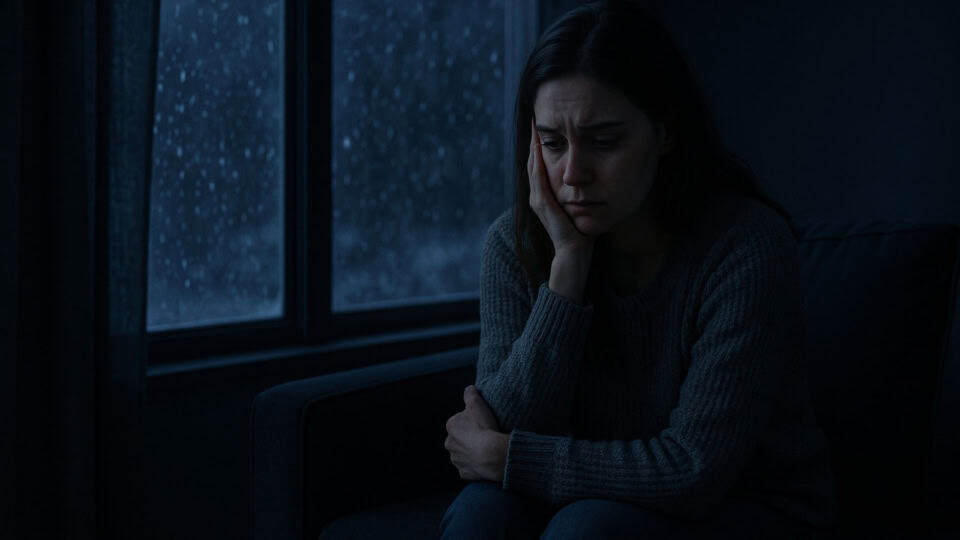
Unlike occasional winter blues, which affect up to 20% of people, seasonal affective disorder involves persistent symptoms that significantly impact your daily life. You might experience prolonged sadness, excessive sleeping, loss of interest in activities you once enjoyed, social withdrawal, and overwhelming feelings of hopelessness.
While researchers haven’t pinpointed the exact cause, seasonal affective disorder likely stems from reduced sunlight exposure during shorter days. This disruption affects your body’s internal clock (circadian rhythm) and serotonin levels, the neurotransmitter that helps regulate mood. For Canadians living in northern regions where winter days are particularly short, this condition can be especially challenging.
Recognizing the Signs and Symptoms
Depression’s seasonal pattern becomes noticeable through specific indicators that set this condition apart from other mood disorders. You might notice symptoms appearing during the fall or winter months, typically lasting more than two weeks and significantly impacting your daily life.
Watch for these key signs:
Emotional symptoms: Ongoing feelings of sadness, anxiety, or hopelessness most days, along with low self-esteem and difficulty concentrating. These symptoms can make it challenging to complete work tasks, maintain relationships, or engage in activities you previously enjoyed.
Physical changes: Sleeping more than usual, feeling excessively tired during the day, unexplained weight gain, frequent headaches, carbohydrate cravings, and difficulty maintaining regular energy levels.
Behavioural shifts: Losing interest in hobbies and social activities, withdrawing from friends and family, experiencing increased sensitivity to rejection, cancelling plans, or avoiding social situations altogether.
Summer variant: While most people experience these symptoms during colder, darker months, a rare summer depression type can occur, featuring restlessness, reduced appetite, trouble sleeping, and more intense emotional responses.
Causes and Risk Factors
Understanding why seasonal affective disorder happens helps make sense of its symptoms. The main trigger is reduced sunlight during the fall and winter months, which disrupts your body’s internal clock and hormone production. This seasonal change affects people differently based on several risk factors.
Your genetics play a significant role. Research shows that 13-17% of people who develop seasonal affective disorder have an immediate family member with the disorder. If depression runs in your family, you’re more likely to develop this condition.
Women experience this condition more often than men. According to the Canadian Mental Health Association, BC Division, women may be up to nine times more likely to be diagnosed with seasonal affective disorder than men, though researchers aren’t yet sure why this disparity exists.
Where you live matters considerably. People in more northern countries or cities are more likely to experience seasonal affective disorder than those living near the equator. The amount of daylight you receive changes as you move north, and that change is thought to be part of the condition.
Age is another factor to consider. Adults are at higher risk of seasonal affective disorder than children and teenagers. If you’re between 18 and 30, you face the highest risk, as SAD typically begins during early adulthood. After age 50, the risk begins to decline.
Treatment Options and Self-Care Strategies
Several effective treatment options exist for managing SAD symptoms, including:
Light Therapy
Light therapy is highly effective, with 60-80% of people finding substantial relief. Using a specialized 10,000 lux lamp for 30 minutes each morning typically shows results within 2-4 days by regulating your circadian rhythm and boosting serotonin levels.
Cognitive Behavioural Therapy
At Your Path Counselling, our trained therapists use CBT to help you address negative thought patterns, identify triggers, and build lasting resilience against seasonal mood changes.
If you’re struggling with symptoms, the team at Your Path Counselling offers personalized support tailored to your unique needs. Our experienced counsellors understand the challenges Canadians face during long, dark winters and provide evidence-based treatments in a compassionate, supportive environment.
Frequently Asked Questions
- Can children experience seasonal affective disorder?
Yes. They might display symptoms like irritability, fatigue, and changes in appetite during the winter months. These patterns often occur when daylight hours shorten, affecting their mood and behaviour. Encouraging outdoor activities, maximizing exposure to natural light, and maintaining regular sleep schedules may help. - How does seasonal affective disorder differ from regular depression?
Unlike regular depression, SAD happens in a cycle with the changing seasons, usually in winter. You’ll notice it has specific symptoms, such as increased sleep and carbohydrate cravings, and it typically responds well to light therapy. This disorder affects many Canadians during our long, dark winters when we spend more time indoors. The shorter days and reduced sunlight can significantly impact our mood and energy levels in predictable seasonal patterns. - Can people in tropical climates experience seasonal affective disorder?
Yes, people can experience it in tropical climates, though it’s less common. Even in tropical areas, there are seasonal changes in daylight hours, though they’re more subtle than in northern regions. The body’s internal clock can still respond to these smaller variations in sunlight.
Take the First Step Toward Feeling Better
If you’re struggling with seasonal mood changes, you’re not alone. Seasonal affective disorder is a treatable condition that affects millions each winter. Don’t hesitate to seek help from a healthcare provider who can recommend light therapy, medication, or counselling. At Your Path Counselling, we’re here to support you with compassionate, evidence-based care. Reach out to us today to book an in-person session at our Victoria office or an online session.
With the right treatment plan and self-care strategies, you’ll be able to manage your symptoms and reclaim your well-being throughout the darker months. Contact Your Path Counselling today to schedule an assessment and begin your journey toward feeling better this season.